Strategic Value of Watercolor Flower Bouquet Clipart Vector in Creative and Commercial Projects
For entrepreneurs, marketers, and creators seeking versatile visual assets, the Watercolor Flower Bouquet Clipart Vector offers more than aesthetic appeal. It serves as a flexible design element that, when used thoughtfully, can support branding, customer engagement, and creative productivity. Understanding how to leverage this resource with intention ensures better alignment with business goals and creative outcomes.
Understanding the Watercolor Flower Bouquet Clipart Vector
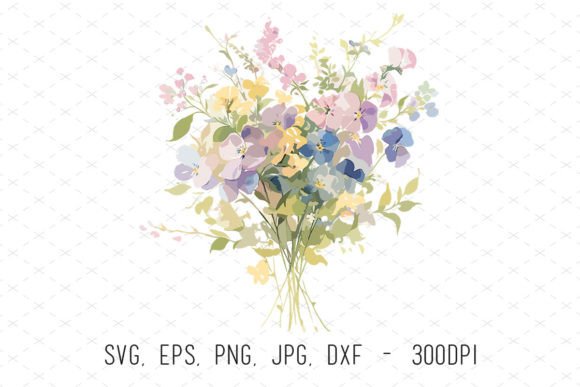
The Watercolor Flower Bouquet Clipart Vector is a high-quality digital illustration designed to be easily manipulated across design software. With formats including PNG, SVG, EPS, JPG, and DXF, it provides flexibility for both print and digital applications. The transparent background and watermark-free design allow seamless integration into a variety of projects without visual compromise.
At 300 DPI and 5300x5600px, this clipart ensures clarity and detail, making it suitable for everything from large-format wall art to small-scale stickers. Its watercolor aesthetic adds a soft, organic feel that resonates well with audiences seeking warmth, authenticity, and craftsmanship.
Why This Clipart Matters Strategically
Visual consistency plays a crucial role in brand recognition and customer trust. The Watercolor Flower Bouquet Clipart Vector can be a foundational asset in maintaining that consistency across multiple touchpoints. Whether used in product design, marketing materials, or website elements, it supports a cohesive visual identity that reinforces brand messaging.
From a practical standpoint, the clipart’s scalability and format variety make it a time-saving resource. Designers and business owners can quickly adapt it for different uses without needing custom illustrations for each application, thereby improving workflow efficiency and reducing production costs.
Applications Across Industries and Use Cases
- Print-on-Demand Products: Ideal for creating custom mugs, t-shirts, greeting cards, and wall art with a consistent floral motif.
- Marketing Collateral: Enhances newsletters, social media posts, and landing pages with a visually engaging, nature-inspired theme.
- Stationery and Invitations: Perfect for wedding invites, thank-you cards, or seasonal greetings with a hand-painted aesthetic.
- Digital Content: Can be incorporated into blog graphics, website headers, and digital illustrations for a cohesive look.
- Educational Materials: Useful for educators designing printable worksheets, flashcards, or classroom decorations.
Planning for Impact: When and How to Use This Clipart
Before integrating the Watercolor Flower Bouquet Clipart Vector into your creative or commercial strategy, consider the following:
- Define the Purpose: Is the clipart supporting brand identity, enhancing customer experience, or driving product appeal? Clarity on its role ensures intentional use.
- Align with Brand Aesthetics: Ensure the watercolor style complements your existing visual language. If your brand leans modern and minimalist, this clipart may feel incongruent unless used sparingly.
- Target Audience Relevance: Floral motifs often resonate with audiences seeking warmth, nature, and creativity. Consider whether this visual tone aligns with your audience’s expectations.
- Platform Adaptation: While the clipart is versatile, test its appearance across different mediums—digital screens, printed materials, fabric, etc.—to ensure quality and visual harmony.
Maximizing Value Through Strategic Design Integration
Using the clipart effectively requires more than placing it on a design. Strategic integration involves layering, color matching, and contextual relevance. For instance, in website design, the bouquet can serve as a decorative accent in headers or sidebars, subtly reinforcing brand tone without overwhelming the user experience.
In product design, especially for small businesses or Etsy sellers, the clipart can be resized and combined with text to create branded packaging or labels. This not only elevates the product’s presentation but also enhances perceived value.
Avoiding Common Pitfalls
While the Watercolor Flower Bouquet Clipart Vector is a powerful tool, it can become a liability when used without strategic intent. Overuse, mismatched styling, or poor placement can dilute brand messaging or appear unprofessional. Here are key considerations to avoid missteps:
- Don’t Rely Solely on Clipart: Use it as part of a broader visual strategy rather than the sole design element.
- Avoid Generic Application: Simply placing the bouquet on a design without customization may result in a generic look. Adjust colors, scale, and composition to fit your unique context.
- Be Mindful of Licensing: Even though the clipart is high quality, verify usage rights, especially for commercial applications involving resale or large-scale distribution.
Long-Term Strategic Considerations
Design assets like the Watercolor Flower Bouquet Clipart Vector should be evaluated not only for their immediate utility but also for their long-term contribution to brand equity. As your business evolves, revisit how this clipart fits into your broader creative ecosystem. Does it still reflect your brand voice? Can it be adapted for future campaigns or product lines?
Additionally, consider how reusable assets like this support sustainability in design. Reducing the need for new illustrations with each project not only saves time and resources but also contributes to a more environmentally conscious creative process.
Conclusion: Using the Watercolor Flower Bouquet Clipart Vector with Intention
The Watercolor Flower Bouquet Clipart Vector is more than a decorative graphic—it’s a strategic asset that, when used intentionally, supports branding, enhances customer engagement, and streamlines creative workflows. By aligning its use with clear goals, thoughtful planning, and brand consistency, creators and entrepreneurs can unlock long-term value from this versatile resource.
As with any design element, success lies in how it’s applied rather than simply having it available. Take time to assess its relevance, adapt it to your needs, and integrate it with purpose. Doing so ensures that your creative efforts contribute meaningfully to your business or project’s growth and impact.